Health & Nutrition Programme
- Health and Nutrition Programme
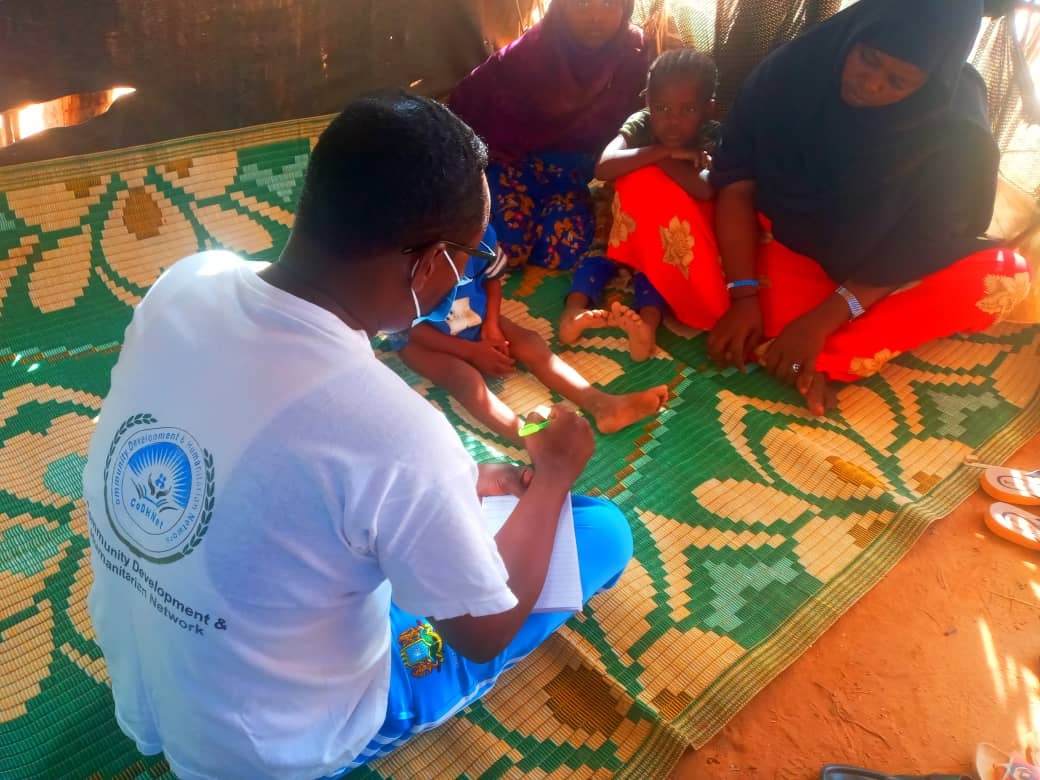
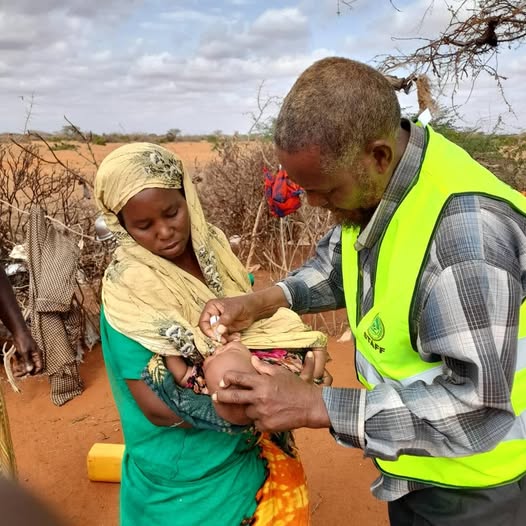
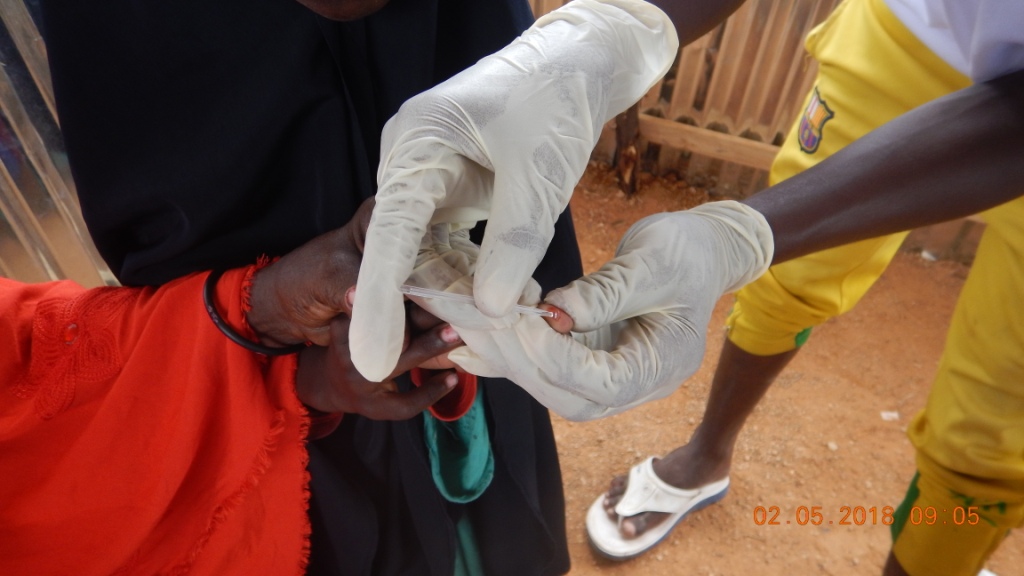
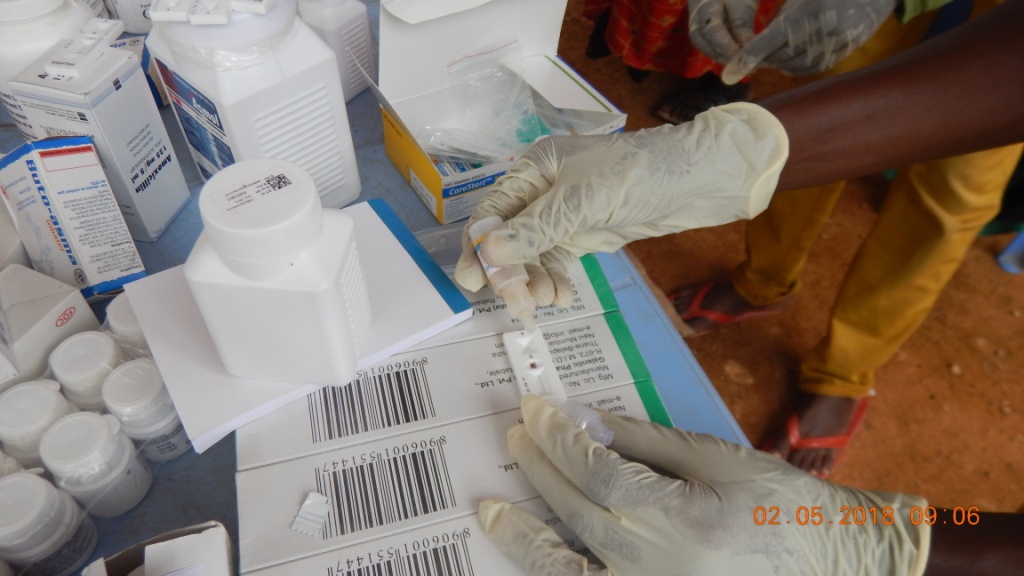
CoDHNet works to improve healthcare access and address malnutrition, particularly in vulnerable and underserved populations. We provide mobile health services, nutritional support, and health education to at-risk communities.
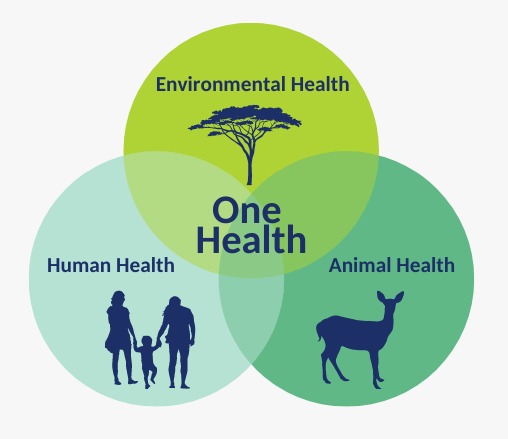
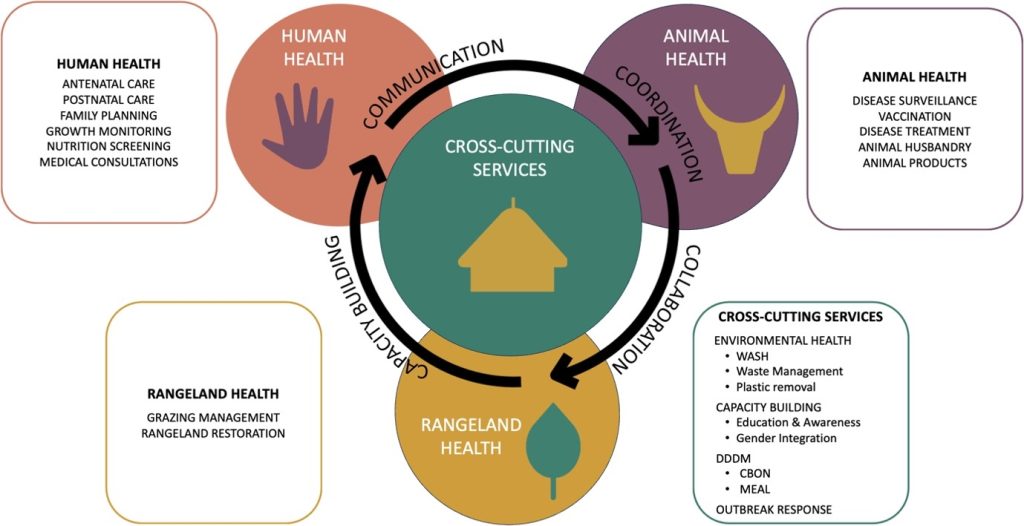
The One Health for Humans, Environment, Animals, and Livelihoods (HEAL) Program is a holistic approach that emphasizes the interconnectedness of human, animal, and environmental health to improve overall community well-being and resilience. Below are the proposed pillars or thematic areas for the HEAL program:
Where We Work:
- Somalia: CoDHNet implements its programs across several regions in Somalia, including Gedo, Banadir, Jubbaland, and Bay. Our work focuses on education, health, nutrition, WASH, livelihoods, and peacebuilding, particularly in conflict and disaster-affected areas.
- Kenya: We are actively engaged in Nairobi and surrounding areas, where we implement programs to improve education, food security, and livelihoods, while also advocating for human rights and social inclusion.
- Integrated Human Health Services
- Primary Health Care (PHC): Provide essential health services, including maternal and child health, immunization, and management of communicable and non-communicable diseases.
- Nutrition Support: Address malnutrition through therapeutic feeding, dietary education, and community-based nutrition interventions.
- Health Education: Raise awareness on disease prevention, hygiene practices, and healthy living habits.
- Mental Health and Psychosocial Support (MHPSS): Provide counseling, trauma recovery, and support for mental well-being, particularly for vulnerable populations.
- Animal Health and Livelihoods
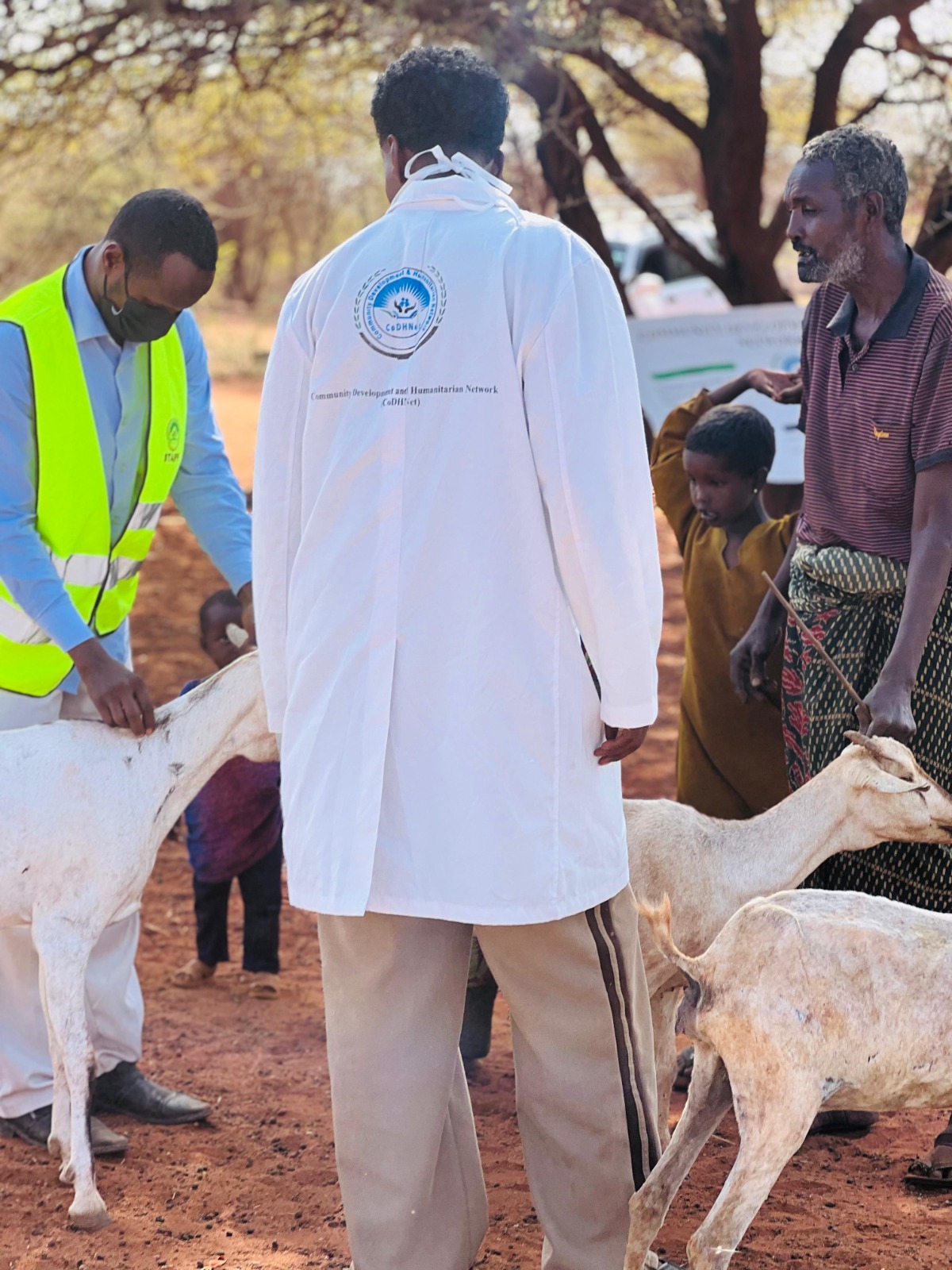
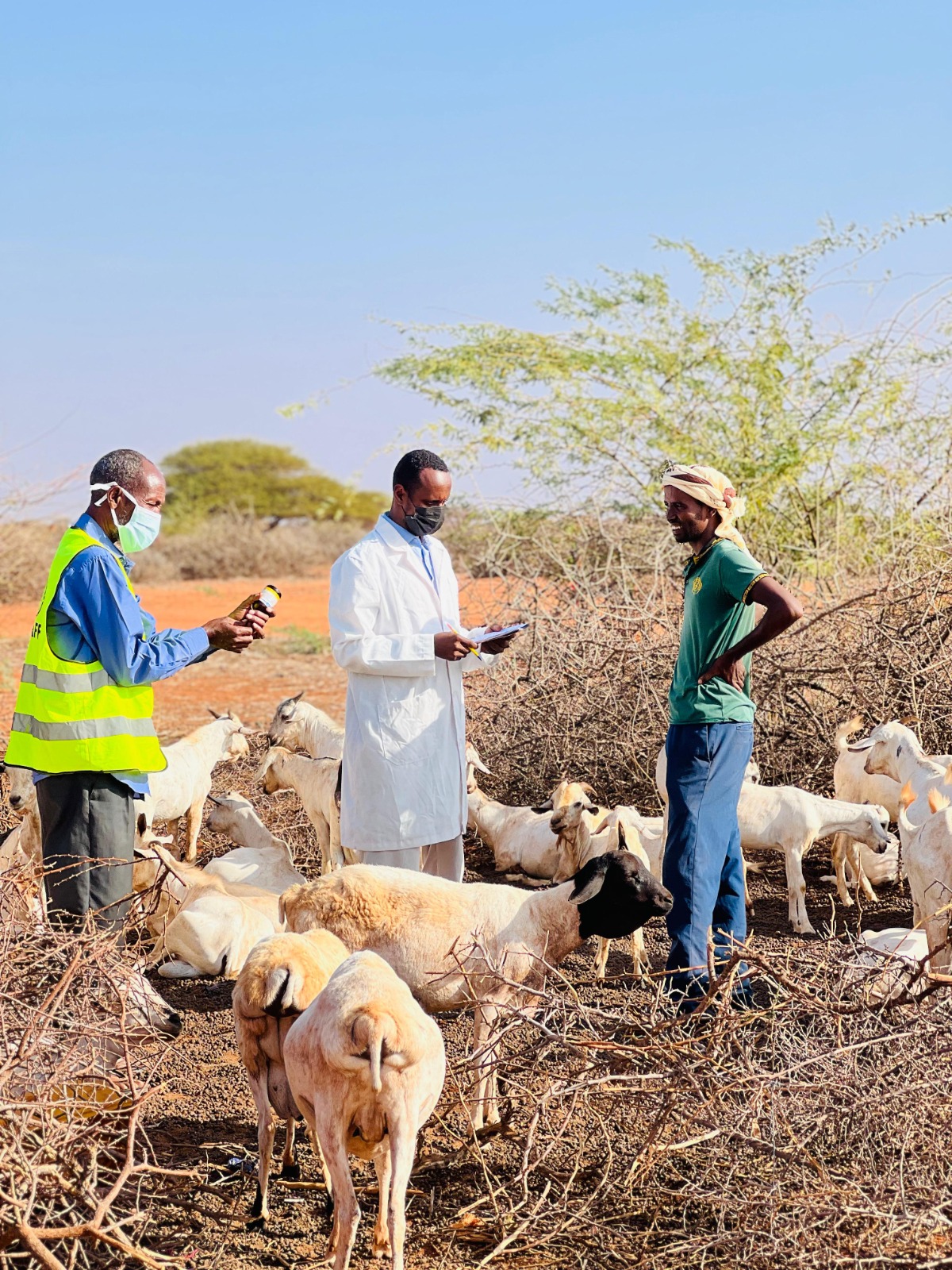
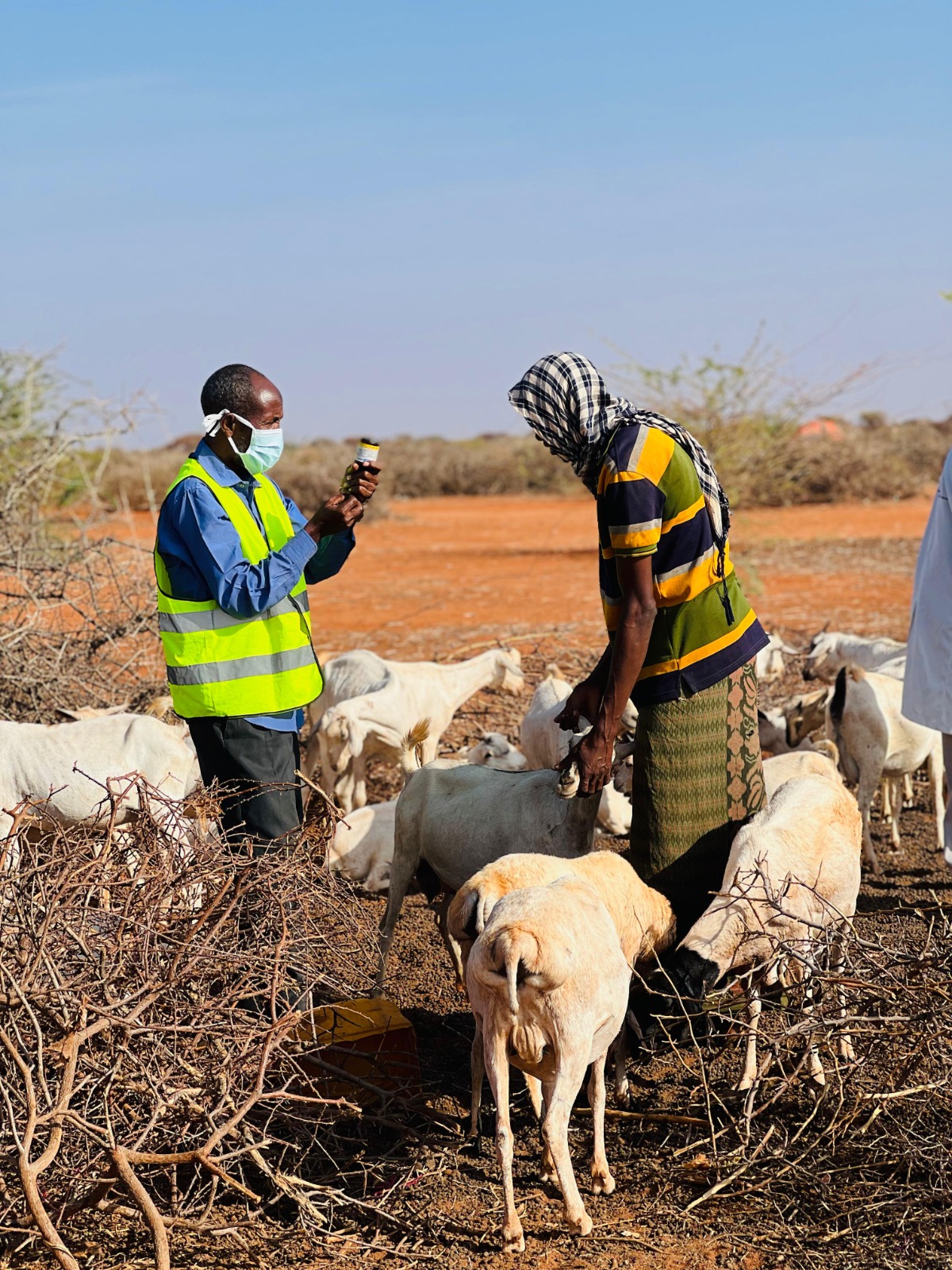
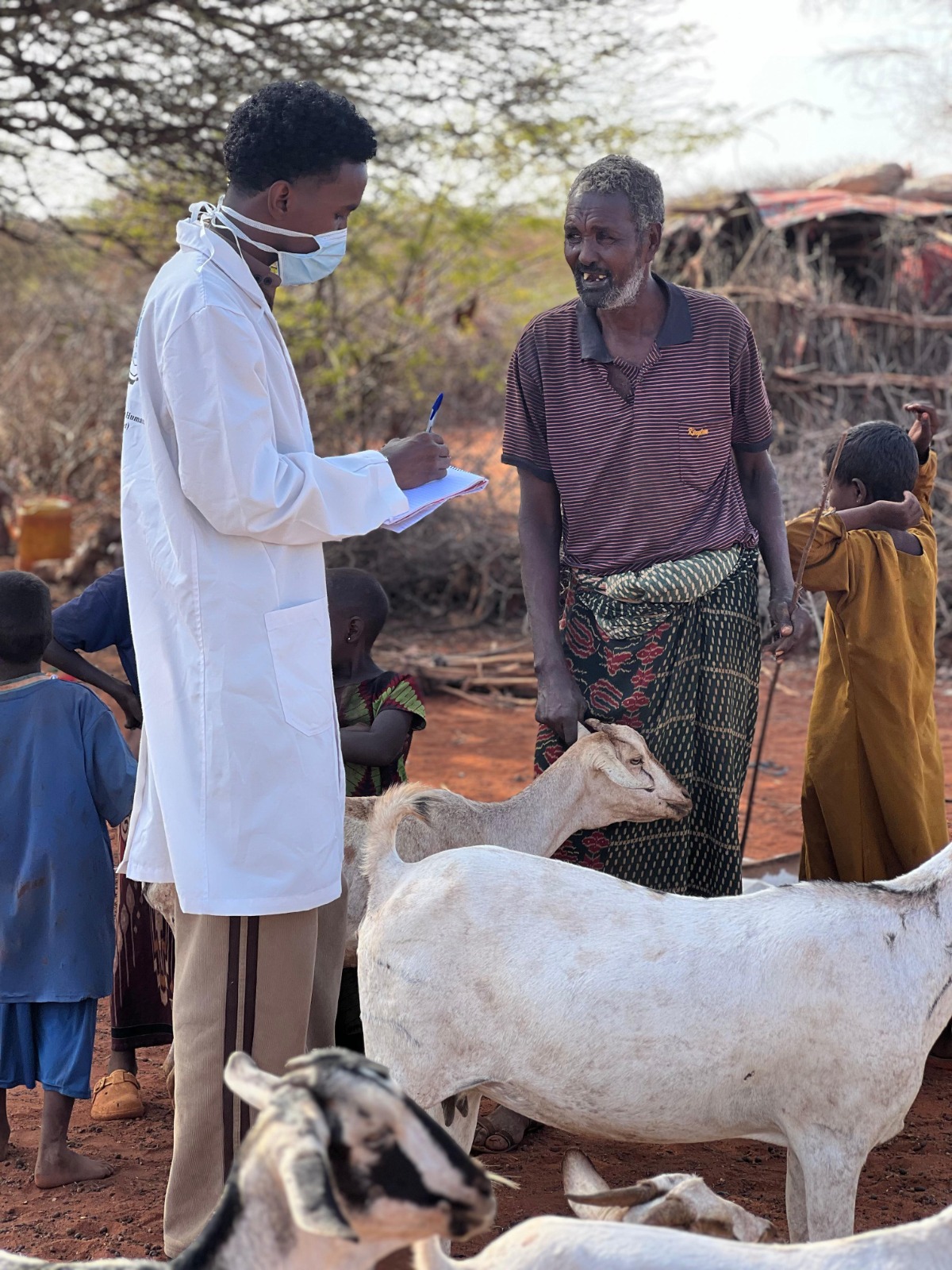
- Veterinary Services: Ensure animal vaccination, disease surveillance, and treatment to protect livestock health.
- Livestock-Based Livelihoods: Strengthen income-generating activities for pastoralists and agro-pastoralists, such as dairy and meat production, and value chain development.
- Zoonotic Disease Control: Prevent and manage zoonotic diseases (e.g., Rift Valley Fever, brucellosis) through integrated surveillance and response systems.
- Environmental Health and Climate Resilience
- WASH (Water, Sanitation, and Hygiene): Improve access to safe drinking water, sanitation facilities, and hygiene promotion to prevent waterborne diseases.
- Climate-Smart Practices: Promote sustainable agricultural techniques, water resource management, and renewable energy solutions to enhance community resilience to climate shocks.
- Biodiversity and Ecosystem Health: Protect ecosystems by promoting reforestation, sustainable land use, and natural resource conservation.
- Disease Surveillance and Response
- Integrated Surveillance: Establish systems to monitor and detect emerging human and animal health threats, including zoonotic diseases.
- Rapid Response Teams: Develop and train multi-sectoral teams for timely responses to outbreaks and emergencies.
- Community Engagement: Empower communities to participate in disease reporting and prevention strategies.
- Capacity Building and Knowledge Sharing
- Training Programs: Build the capacity of health workers, veterinarians, and community leaders in One Health approaches.
- Research and Innovation: Encourage research on One Health challenges and solutions, and foster innovation for integrated health services.
- Policy Advocacy: Work with stakeholders to integrate One Health into local, regional, and national policies and frameworks.
- Cross-Cutting Themes
- Gender and Inclusion: Promote equitable access to health and nutrition services, with a focus on women, children, and marginalized groups.
- Community Resilience: Strengthen community-based structures to ensure sustainability and ownership of the HEAL program.
- Partnerships and Collaboration: Foster multi-sectoral partnerships among government, NGOs, and private sectors for coordinated One Health interventions.
- Impact of the HEALTH Program
- Improved Community Health: Enhanced access to integrated human and animal health services reduces disease burden and improves overall well-being.
- Resilient Livelihoods: Strengthened livelihoods and reduced vulnerability to climate and disease shocks.
- Environmental Sustainability: Improved environmental health through sustainable practices that benefit humans, animals, and ecosystems.
- Disease Prevention: Reduced risks of zoonotic disease outbreaks through coordinated surveillance and rapid response efforts.
This integrated approach ensures that interventions address the root causes of health challenges while promoting sustainability and resilience.
Keeping You Informed
Latest News & Blogs

Protection & Human Rights
Protection concerns.Consideration should be given about what support may be
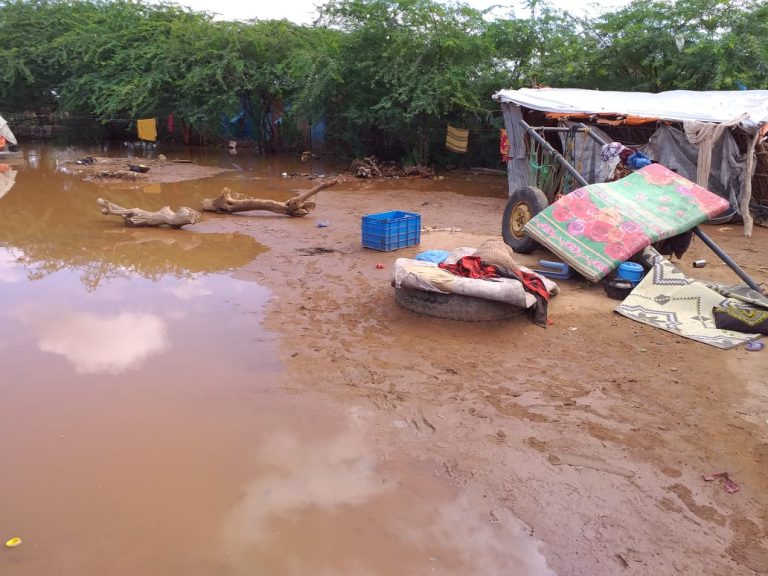
Environmental Protection & Climate Change
Nearly 70 % of Somalia’s population depend on agricultural and
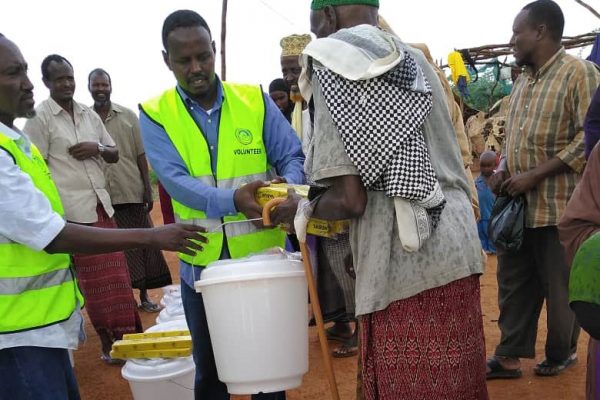
Water, Sanitation and Hygiene (WASH)
Water resources are common reasons behind most of the conflicts